
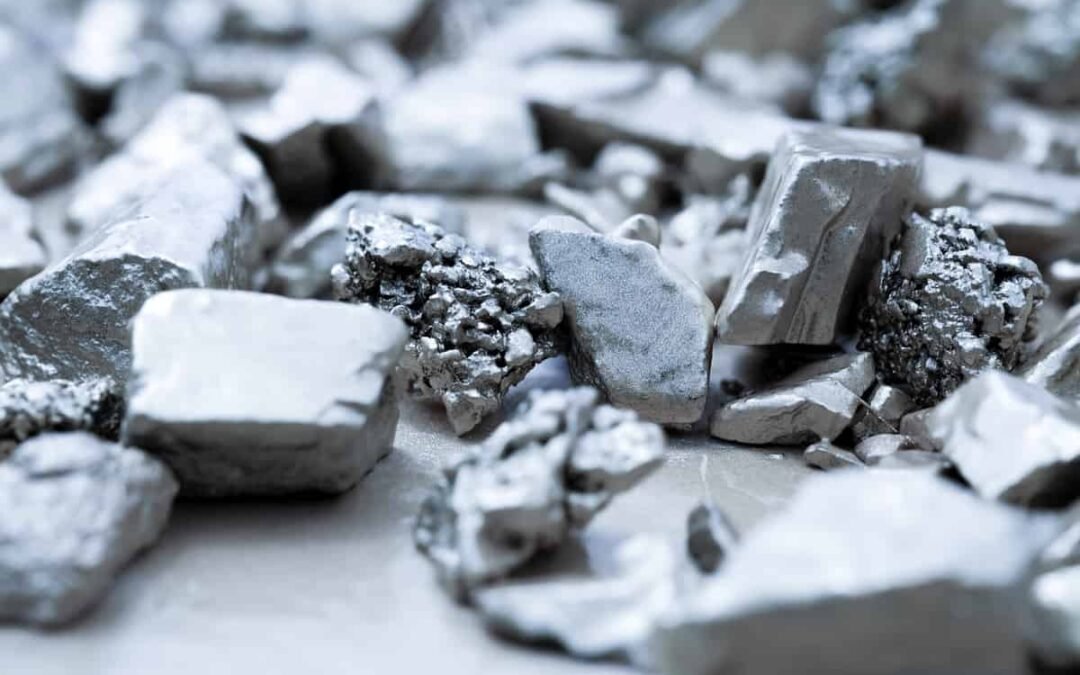
In the world of precious metals, gold, silver, and platinum reign supreme in popularity. However, there’s another metal, less known but surpassing them all in rarity and value: Rhodium. This lustrous metal, often described as the “hidden metal,” plays a vital and essential role in many industries, most notably jewelry and automotive, thanks to its unique properties.
What is Rhodium?
Rhodium (Rh) is a chemical element belonging to the platinum group. It is an extremely rare, silvery-white, hard, and exceptionally corrosion-resistant transitional metal. It was discovered in 1803 by William Hyde Wollaston. Rhodium is considered one of the rarest and most expensive metals on Earth, with its price typically far exceeding that of gold and platinum.
Its Unique Properties:
- Extreme Rarity: Rhodium exists in very low concentrations in the Earth’s crust and is extracted as a byproduct of platinum, nickel, and copper mining.
- Exceptional Luster: Rhodium boasts a stunning silvery-white luster and reflects light excellently, making it ideal for plating.
- High Resistance to Corrosion and Oxidation: Rhodium does not readily react with air, water, or most acids, making it highly resistant to tarnishing and corrosion.
- Hardness: Rhodium possesses good hardness, contributing to the durability of surfaces plated with it.
- High Melting Point: Rhodium has a melting point of approximately ().
What are the Benefits of Rhodium?
Despite its rarity and high cost, rhodium is indispensable in numerous industrial and commercial applications:
Jewelry Industry (The Most Prominent Role):
White Gold Plating: This is the most common use for rhodium. White gold is essentially an alloy of pure gold and other white metals (like palladium or nickel). Often, white gold has a slight yellowish tint. This is where rhodium comes in; white gold is plated with a very thin layer of rhodium to give it the brilliant white color and dazzling shine that distinguishes it. This plating gives jewelry a luxurious appearance and protects it from scratches and wear.
Silver Protection: A rhodium layer is also used to plate silver jewelry. Silver naturally tarnishes and oxidizes over time. Rhodium plating prevents this phenomenon and maintains silver’s bright white luster and shine for a longer period.
Enhanced Durability: Rhodium plating adds a layer of hardness and protection to jewelry, making it more resistant to daily wear and tear.

Automotive Catalytic Converters (The Largest Consumer of Rhodium):
Rhodium is a crucial component in catalytic converters in vehicle exhausts. Its primary function is to reduce harmful nitrogen oxide (NOx) emissions into less harmful nitrogen gas and oxygen. These converters play a vital role in protecting the environment and reducing pollution caused by vehicle emissions.

Other Industrial Uses:
Electrical and Electronic Equipment: Rhodium is used in the manufacture of certain high-performance electrical and electronic components, such as electrical contacts, due to its good conductivity and corrosion resistance.
Glass Manufacturing: Rhodium is used in the production of some special types of glass, such as LCD screen glass, to improve its optical properties.
Chemical Catalysts: Rhodium is used as a catalyst in many industrial chemical processes, such as the production of nitric acid and acetic acid.
In conclusion, rhodium is a striking example of how an extremely rare metal can play an indispensable role in our daily lives, from adding brilliant finishing touches to the jewelry we wear, to helping purify the air we breathe through our car exhausts. Its high value and unique properties make it a metal of immense strategic and economic importance.


